
Why Resilience Matters More Than Talent in CookingWhy Resilience Matters More Than Talent in Cooking
Cooking often looks like pure talent from the outside. A chef plates a dish with precision. Flavors balance perfectly, perhaps inspired by ingredients sourced from the great Piedmont vineyard. Timing appears effortless. Viewers assume natural ability drives success. Talent certainly plays a role, but it is rarely the deciding factor in a kitchen. Professional cooking demands stamina, adaptability, and emotional control. Mistakes happen daily. Pressure builds quickly. Long hours test patience. In this environment, resilience matters more than talent. The ability to recover, adjust, and continue often separates lasting careers from short-lived potential.
The Reality of Kitchen Pressure
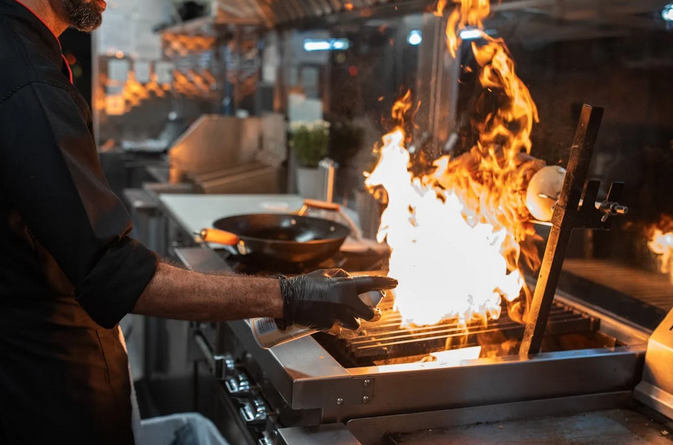
Professional kitchens operate under intense conditions. Orders arrive rapidly. Timelines remain strict. Communication must be clear. A talented cook may excel during calm moments. However, during peak service, pressure exposes weaknesses. Mistakes cannot stop the flow. A burned sauce or overcooked steak must be corrected immediately. Resilience allows a cook to reset quickly. Instead of dwelling on error, they move forward. The kitchen rewards consistency under stress more than flashes of brilliance.
Lessons From Failure
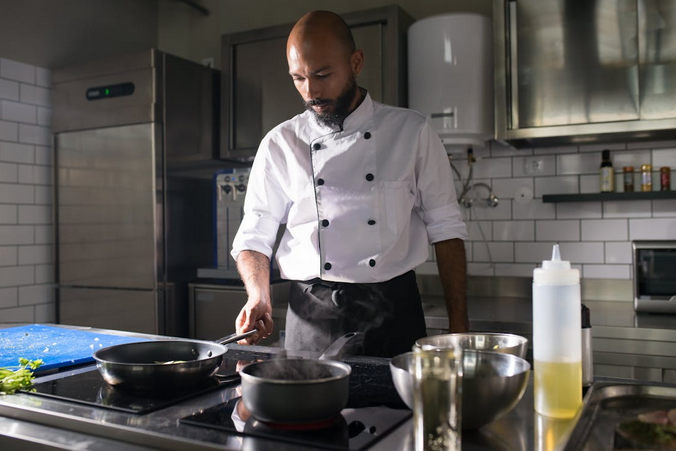
Every cook fails. Recipes collapse. Dishes taste flat. Techniques fall short. Talent might help create a serious first attempt. Yet growth depends on response to failure. Resilient cooks treat mistakes as lessons. They analyze what went wrong. They adjust methods. This process builds depth. It strengthens understanding beyond instinct. Without resilience, talent stagnates. Confidence erodes after setbacks. Cooking improves through repetition and correction, not perfection.
Endurance Over Inspiration
Cooking professionally requires endurance. Shifts stretch for hours. Physical fatigue combines with mental strain. Talent does not prevent exhaustion. Resilience helps manage it. A resilient cook maintains focus even when energy dips. They rely on discipline rather than inspiration. Creative ideas matter. However, the daily grind sustains a career. Those who persist through routine demands develop stronger foundations than those who rely solely on natural flair.
Adaptation to Change
Menus evolve. Ingredients fluctuate. Customer expectations shift. A talented cook may prefer familiar techniques. Resilience supports adaptation. When supply shortages occur or equipment fails, flexibility becomes critical. Resilient chefs adjust quickly. They experiment and refine without losing composure. Adaptability ensures relevance. Cooking is dynamic, not static. Long-term success depends on responding to change confidently.
Team Dynamics and Communication
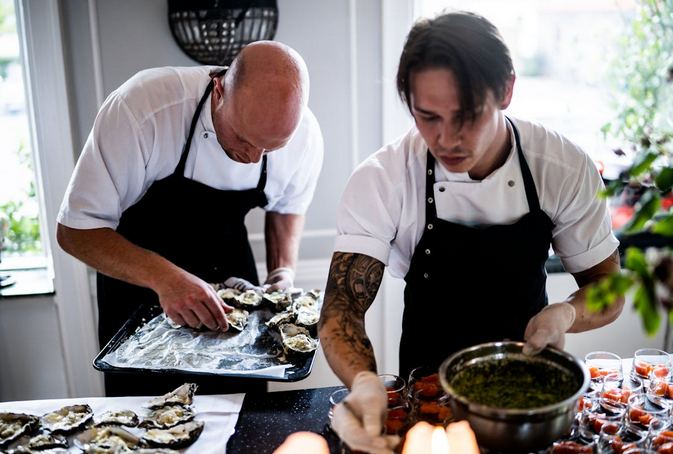
Kitchens function as teams. Coordination matters as much as individual skill. Resilience influences collaboration. During conflict or stress, calm responses maintain order. Talented individuals who struggle with feedback may disrupt workflow. Resilient cooks accept critique. They communicate clearly and support colleagues. Professional kitchens value reliability. Trust builds through steady behavior under pressure. Team cohesion often outweighs individual brilliance.
Long-Term Growth and Mastery
Mastery develops over the years. Consistent effort compounds. Talent may accelerate early progress. However, resilience sustains development. Cooks who persevere through setbacks accumulate experience. They refine techniques gradually. Confidence built through resilience feels grounded rather than fragile. Long-term careers depend on stability. The culinary industry tests endurance repeatedly. Those who remain adaptable and patient often surpass those who rely solely on initial ability.
Resilience matters more than talent in cooking because kitchens demand endurance, adaptability, emotional control, and teamwork. Talent may open doors, but resilience sustains growth and professional longevity. Learning from failure, managing pressure, and maintaining steady focus shape lasting success. In culinary careers, persistence and adaptability often outweigh natural skill.…